Last updated:
Grenada sits in the Lesser Antilles with a tropical climate that attracts visitors throughout the year. Understanding Grenada weather helps you plan the perfect vacation. The island experiences warm temperatures consistently but rainfall varies significantly by season. Location matters too: the coordinates 12.1165, -61.679 place Grenada in the Atlantic hurricane belt, though direct hits are rare. With a population of only 126,000 people, this island offers an intimate Caribbean experience without overwhelming crowds.
The 349-square-kilometer island experiences two main seasons that affect your trip differently. The dry season runs from December through May, bringing reliable sunshine and calm seas. The rainy season stretches from June through November, with September and October seeing peak rainfall. Temperature stays consistent year-round at an average of 27.5°C, so heat is never a concern. Instead, your decision should focus on rainfall patterns, hurricane season timing, and crowd levels.
Grenada Weather by Month
January through March delivers the most stable weather on Grenada. Temperatures hover around 27°C with minimal rainfall. Trade winds keep the air pleasant and not too humid. These months mark peak tourist season, so expect crowds and higher prices. Book accommodations well in advance during this period. The ocean stays warm for swimming and diving activities.
April and May represent excellent shoulder season months. Grenada weather remains dry with occasional afternoon showers. Temperatures climb slightly as you approach the summer months. Tourist numbers drop compared to winter months, reducing crowds significantly. Hotel rates often fall during this period, offering better value. Seas stay calm for water activities throughout both months.
June and July mark the start of the rainy season officially. Grenada weather shifts with increased afternoon downpours, though mornings often stay clear. Humidity levels rise noticeably during these months. Trade winds continue, preventing heat from becoming oppressive. Tourist numbers drop dramatically, making this budget-friendly season for those tolerating wet weather.
August and September bring heavy rainfall and peak humidity to Grenada. Weather patterns include frequent tropical showers, sometimes lasting hours. These months fall within Atlantic hurricane season, though direct hits on Grenada remain uncommon. Seas can become rough, limiting diving and water sports. Tourism virtually stops, meaning excellent deals on everything. Hotels and food-restaurants offer significant discounts.
October continues the rainy season with some improvement over August and September. Grenada weather begins stabilizing slightly as the month progresses. Rainfall decreases toward month's end. Hurricane season technically continues, but Grenada's southern position offers relative protection. Tourist activity remains minimal, keeping prices low. October represents the cheapest month to visit.
November marks the transition back to drier conditions. Grenada weather becomes more predictable with decreasing rainfall. Tourism starts picking up as travelers anticipate the coming dry season. Temperatures remain warm throughout the month. Beaches see improving conditions for water activities. This month offers a good balance of decent weather and lower crowds.
December kicks off peak season with excellent weather. Grenada experiences minimal rainfall and pleasant temperatures. Holiday travelers arrive, so prices and crowds increase significantly. The Christmas period brings premium rates for accommodation and tours. Boxing Day through New Year sees the busiest tourist period. Book all activities and lodging months in advance for December travel.
Peak Season in Grenada

Peak season runs from December through May, with January through March representing the absolute busiest months. During this window, Grenada weather delivers dry conditions, minimal rain, and pleasant temperatures around 27°C. The trade winds keep humidity manageable while keeping seas calm for water activities. This reliability attracts families, couples, and solo travelers looking for guaranteed sunshine.
The peak season advantages extend beyond just weather. Hotels operate at full capacity with all services running smoothly. Tours, restaurants, and water sports operators maintain regular schedules with no weather-related cancellations. This predictability matters for families with strict vacation schedules and group travelers coordinating multiple people.
However, peak season brings real drawbacks. Hotel rates reach their highest prices during December through February. Popular beaches and attractions become crowded with international tourists. Restaurant reservations become necessary for dining, especially in popular spots. Rental car availability tightens as demand increases. Tour guides book up weeks or months in advance. The Spice Island is truly the island's nickname due to its nutmeg production, but during peak season, the island feels crowded rather than intimate.
Despite crowds, December through May remains the best choice for many travelers. Families can rely on schools closing and weather cooperating. Divers enjoy calm seas and excellent visibility underwater. Beach lovers get guaranteed sunshine without afternoon rainstorms interrupting their plans. Photographers capture clear skies and bright light throughout the day.
PRO TIP: Book your peak season travel three to four months in advance. Airlines, hotels, and car rental companies fill quickly during December through February. Early booking secures better rates and guarantees accommodation availability in your preferred location.
Shoulder Season: Best Value
Shoulder season includes April, May, and November, offering an excellent middle ground between crowds and savings. During these months, Grenada weather remains mostly dry with occasional afternoon showers that rarely last long. Temperatures stay comfortable around 27°C without the extreme summer heat. Tourist numbers drop significantly compared to peak season, reducing crowds at beaches and attractions.
April and May deliver reliable conditions with minimal rainfall. The trade winds continue, keeping the island breezy and pleasant. Humidity starts increasing toward May but remains manageable. Ocean conditions stay excellent for diving and water sports. You'll find fewer tourists on beaches, in restaurants, and at popular sites like Grand Anse Beach or Underwater Sculpture Park near St. George's.
November presents an interesting choice as the transition month from rainy to dry season. Early November still sees rainfall patterns from the wet season, but conditions improve steadily. By late November, weather becomes increasingly stable and dry. Tourism infrastructure ramps up as operators prepare for the coming peak season. Prices remain lower than peak season but higher than rainy season rates.
The practical benefits of shoulder season matter for many travelers. Hotel rates drop 20 to 40 percent compared to peak season months. Restaurants offer walk-in seating without reservations. Car rental companies have inventory available. Tour operators can accommodate last-minute bookings. Diving operations run regularly with shorter wait times for boat trips. This season suits travelers who tolerate occasional rain for significant savings and fewer crowds.
Families can still enjoy shoulder season effectively. April and May offer excellent conditions for school break trips. Children adapt well to brief afternoon showers. The reduced crowds mean children feel safer exploring beaches and towns. Shoulder season rates keep family vacation budgets reasonable.
PRO TIP: Visit Grenada in late April or early May for the best shoulder season experience. Weather remains dry, crowds are minimal, and prices offer significant savings. May sees more humidity but still maintains pleasant conditions and excellent value.
Rainy Season in Grenada
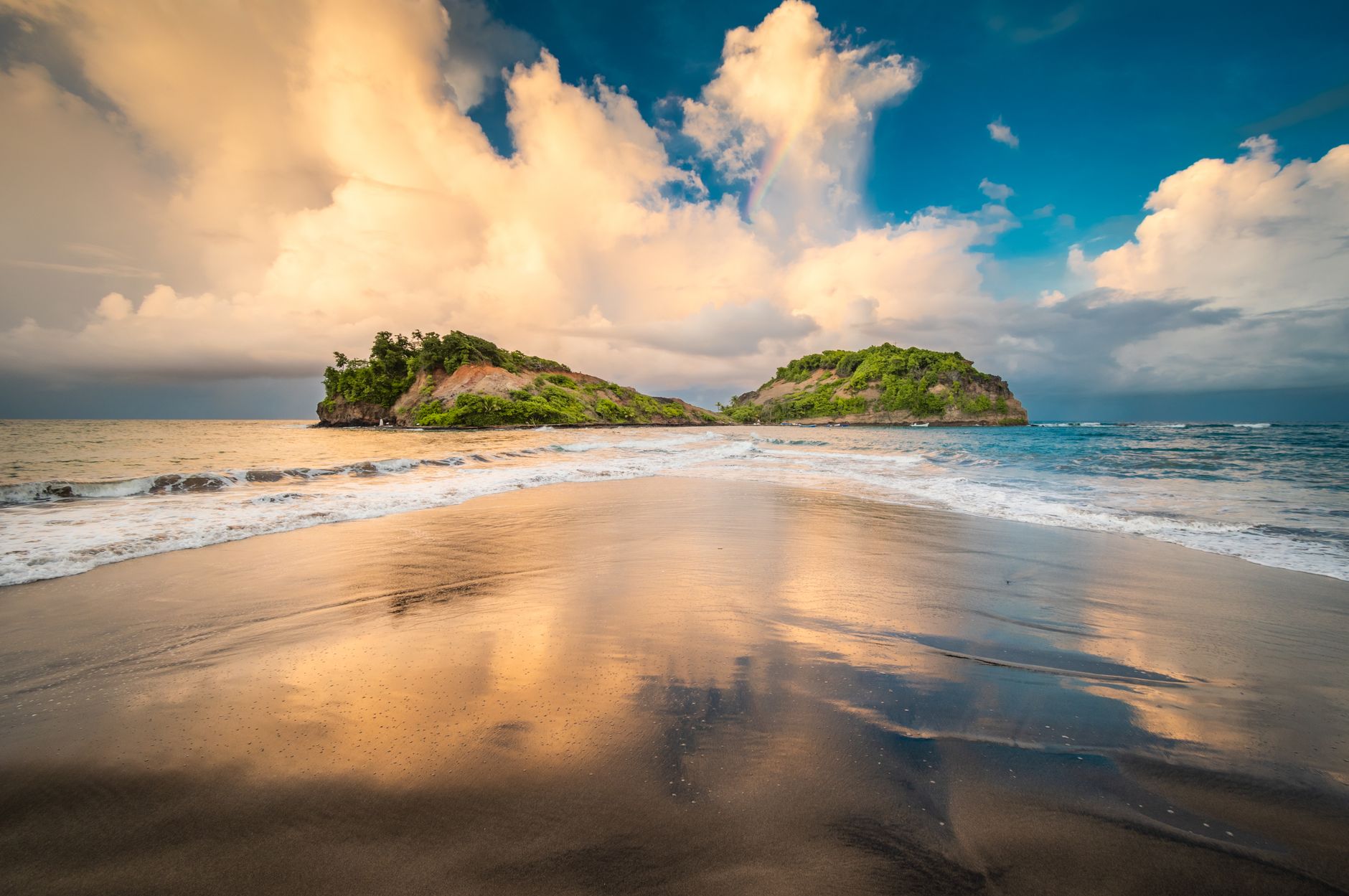
The rainy season spans June through November, with September and October bringing the heaviest precipitation. Grenada weather during these months includes frequent afternoon downpours, high humidity, and occasional tropical showers throughout the day. However, mornings typically start clear and sunny before clouds build in afternoon hours. The season offers significant cost savings, with hotel rates dropping 40 to 60 percent below peak season prices.
June and July represent the gentler end of rainy season. Grenada weather includes predictable afternoon showers rather than all-day rain. Morning beach time remains viable before clouds arrive. Humidity increases noticeably but trade winds provide relief. Tourist numbers drop dramatically, freeing up restaurants, beaches, and attractions. These months work for flexible travelers who can work around weather patterns.
August and September mark the heart of hurricane season with the heaviest rainfall. Grenada weather becomes unpredictable with tropical showers arriving any time of day. Some days see rain from dawn to dusk. Other days feature partial clearing with brief sunny periods. Hurricane preparedness affects operations, with some tours and water activities canceling. Direct hurricane hits on Grenada remain statistically rare due to the island's southern position in the hurricane belt, but tropical storms still bring significant rain and rough seas.
October continues heavy rainfall patterns, though conditions begin improving late in the month. Grenada weather stabilizes as the month progresses. Rainfall decreases noticeably in the final week. Hurricane season technically continues, but activity decreases significantly. Tourism infrastructure operates on reduced schedules. October represents the cheapest month to visit Grenada, ideal for travelers prioritizing savings over perfect weather.
The rainy season presents real challenges for certain activities. Diving becomes difficult during heavy rain periods due to reduced visibility and rough seas. Hiking becomes hazardous on wet, slippery trails. Beach time becomes unpredictable and limited. Photography suffers from gray skies and poor lighting. Water sports operators may cancel trips due to safety concerns.
Despite these challenges, some travelers find rainy season worthwhile. The island takes on lush, vibrant green colors with all the rain. Waterfalls run full and spectacular during these months. Fewer tourists mean authentic local interactions. Prices reach their lowest levels. Hotel staff provides more personal attention with reduced guest numbers. Some activities like spice tours operate successfully regardless of weather.
Best Time To Visit Grenada for Families
Families should target December through April for the most stress-free vacation experience. School breaks align with peak season, allowing families to coordinate travel plans easily. Grenada weather during these months provides sunshine and dry conditions that keep children happy and entertained. The predictable weather means outdoor activities rarely get canceled, allowing families to execute planned itineraries without disappointment.
January through March offer ideal family conditions. Children can swim in calm seas without rough waves causing concern. Beaches become safe for young swimmers during these calm months. Snorkeling becomes accessible even for children without advanced skills. The dry weather allows families to explore hiking trails, visit Grand Anse Beach, or tour the Underwater Sculpture Park without weather interruptions. Hotel kids clubs and family activities operate at full capacity during these months.
April and May extend family season with slightly fewer crowds. Children still enjoy excellent beach and water conditions. Afternoon showers typically arrive in predictable patterns, allowing families to plan indoor activities accordingly. The reduced tourist numbers mean shorter wait times at restaurants and attractions. Children handle occasional rain better than adults, and brief showers provide temperature relief during hot afternoons.
What to pack for family trips: waterproof bags for phones and cameras, reef-safe sunscreen for protecting both children and marine life, lightweight rain jackets for brief showers, comfortable walking shoes for exploring towns, and insect repellent for dawn and dusk outdoor time. Bring medications and first aid supplies from home, as availability may vary.
Activities work well for families during good weather months. The Concord Waterfall offers a refreshing hike and swimming opportunity. Grand Anse Beach provides safe swimming and rental water sports. The Grenada National Museum educates children about local history. Spice plantations offer tours teaching children about local agriculture. Chocolate factory tours engage children's interests in food production.
Avoid June through October for family travel if possible. The frequent rainfall disrupts outdoor plans and limits water activities. High humidity makes heat challenging for young children. The rainy season requires significant itinerary flexibility and indoor activity options. Schools in most countries operate during these months, making family travel coordination difficult.
PRO TIP: Book family accommodations with kitchens during peak season to reduce dining costs for families. Many villas and vacation rentals offer kitchen facilities at lower rates than hotels. Prepare simple breakfasts and lunches to maintain budget while eating quality meals.
Best Time To Visit Grenada for Diving
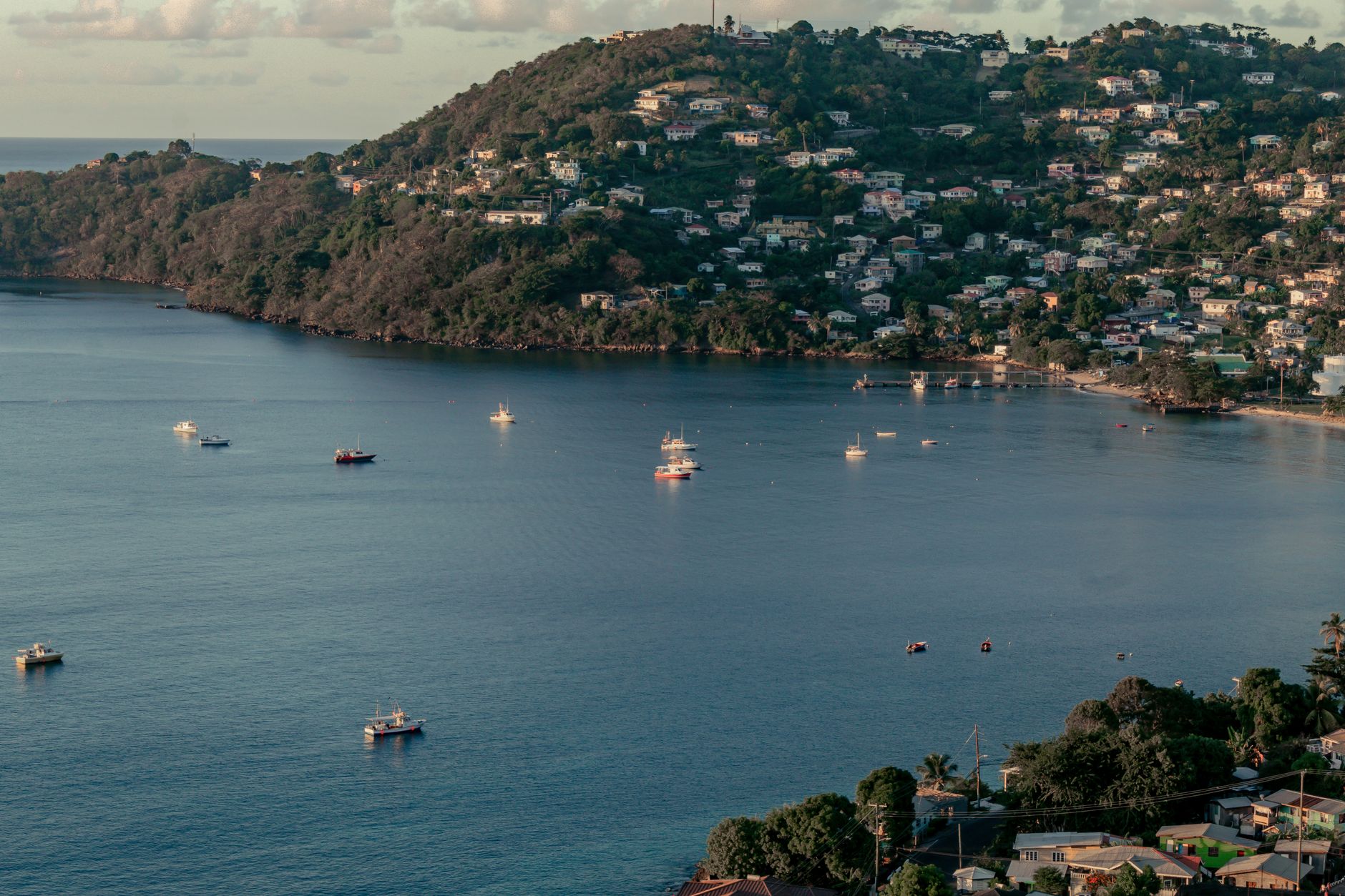
Grenada offers world-class diving year-round, but conditions vary significantly by season. December through May provides the best diving experience with calm seas, excellent visibility, and stable weather. Water temperature remains consistently warm at around 27°C throughout the year. The Underwater Sculpture Park near St. George's remains accessible and stunning during the dry season with clear views of the submerged sculptures.
January through March represents peak diving season when water visibility reaches 30 meters or more. Calm seas mean easy boat access to dive sites. Morning dives offer the best light and visibility for underwater photography. Wreck dives like the Bianca C, a 176-meter freighter, become accessible with reliable conditions. The abundance of fish life and healthy coral reefs make for exceptional encounters. Multiple dive operators run scheduled trips with full boats and professional guidance.
April and May maintain excellent diving conditions with slightly fewer divers competing for spots. Visibility remains strong above 25 meters. Water temperatures stay comfortable without any thermocline issues. Seas gradually become slightly less calm as summer approaches, but conditions remain very diveable. Dive operators offer more flexibility and personal attention with reduced group sizes. Dive costs typically decrease during these shoulder months.
June through November presents challenges for serious divers. Rough seas limit boat access to certain sites. Visibility decreases with churned-up sediment and reduced light penetration. Afternoon showers create murkier conditions. Some dive operators close temporarily during peak storm season. However, some dives remain possible on protected sites with experienced operators managing water conditions carefully.
Practical diving information: multiple PADI-certified operators run daily dives from St. George's and other coastal towns. Certification courses are available for beginners. Equipment rental is readily available. Dive boats accommodate various skill levels from beginners to advanced divers. The Grenada Underwater Sculpture Park serves as a unique dive destination suitable for all experience levels.
Frequently Asked Questions
What Is the Best Month To Visit Grenada?
February and March represent the best months for most travelers. Grenada weather delivers perfect dry conditions with minimal rainfall and comfortable temperatures around 27°C. Trade winds keep humidity manageable. Ocean conditions are ideal for swimming and diving. However, expect higher prices and larger crowds during these months. For budget-conscious travelers, April and May offer nearly identical weather with significantly lower costs and fewer tourists crowding beaches and attractions.
Is Grenada in the Hurricane Belt?
Grenada sits in the Atlantic hurricane belt statistically, but direct hurricane hits remain extremely rare due to the island's southern position. The island experiences tropical storms and heavy rainfall during hurricane season (June through November), particularly August through October. Insurance providers recognize Grenada's low hurricane risk compared to northern Caribbean islands. Still, travelers during rainy season should monitor weather reports and have travel insurance covering weather-related cancellations for peace of mind.
Can You Visit Grenada During the Rainy Season?
Yes, visiting during June through November is absolutely possible and increasingly popular with budget travelers. While afternoon showers occur frequently, mornings typically remain clear and sunny. Humidity increases noticeably compared to dry season. Some water activities may cancel during heavy rain, but many other attractions operate normally. Hotel rates drop dramatically, sometimes 50 percent below peak season prices. The lush green landscape and fewer tourists create a different but rewarding experience for flexible travelers prioritizing savings.
What Should I Pack for Grenada Weather?
Pack lightweight, breathable clothing for warm temperatures year-round. Always bring reef-safe sunscreen with SPF 30 or higher for daily sun protection. Include a rain jacket or lightweight poncho for quick afternoon showers, especially during shoulder and rainy seasons. Wear waterproof bags to protect electronics during brief downpours. Bring insect repellent for dawn and dusk hours when mosquitoes are active. Include comfortable walking shoes for town exploration and hiking. Snorkel gear is optional but affordable to rent locally. Pack medications and first aid supplies from home.
Are There Specific Weather Patterns I Should Know About?
Trade winds blow consistently from the east, keeping the island breezy and cooling. These winds typically strengthen in late afternoon. Rainfall concentrates in afternoon hours during rainy season, with mornings often remaining clear. Humidity fluctuates significantly between seasons, highest during June through October. Ocean swells increase during rainy season, calming dramatically in dry months. Temperature stays remarkably consistent around 27°C year-round, so seasonal differences relate mainly to rainfall and humidity rather than heat. Understanding these patterns helps plan daily activities strategically.
Word count: 2,187