allisles.com
Grenada
allisles.com
Grenada

Grenada: Complete Caribbean Travel Guide
Visa Free
Last updated:
Quick Facts
- Location: Lesser Antilles, southern Caribbean
- Coordinates: 12.1165°N, 61.679°W
- Area: 349 km²
- Population: 126,000
- Language: English, Grenadian Creole
- Currency: East Caribbean dollar (XCD)
- Timezone: America/Grenada
- Main Airport: Maurice Bishop International Airport (GND)
- Visa Required: No (visa-free for most nationalities)
- Best Months: December, January, February, March, April, May
- Average Temperature: 27.5°C (81.5°F)
- Activities: Scuba diving, hiking, beach relaxation
About Grenada
Where is Grenada? This island nation sits in the Lesser Antilles chain in the southern Caribbean Sea. Grenada lies approximately 160 kilometers north of Trinidad and Tobago. The country consists of the main island of Grenada and two smaller islands: Carriacou and Petite Martinique. Grenada covers just 349 square kilometers but packs incredible natural beauty into this small space.
The island has a rich history shaped by European colonization, African heritage, and Caribbean culture. Today, Grenada welcomes visitors from around the world. English is the official language, making communication easy for most travelers. The population of 126,000 people creates a friendly, welcoming atmosphere throughout the islands.
The East Caribbean dollar is the currency used on Grenada. Your money goes further here than in many Caribbean destinations. The island sits on coordinates 12.1165°N, 61.679°W. Maurice Bishop International Airport serves as the main entry point for international travelers arriving by air. The timezone is America/Grenada, which is four hours behind UTC.
Grenada has earned a reputation as a less crowded alternative to busier Caribbean islands. You will find pristine beaches, lush rainforests, and genuine local culture here. The island produces nutmeg, cocoa, and other spices that perfume the air throughout the countryside. Visitors appreciate the slower pace and authentic Caribbean experience Grenada offers.
Why Visit Grenada
Best forall travelersadventure seekersculture enthusiastsnature lovers
Grenada delivers authentic Caribbean experiences without overwhelming crowds. The island features some of the most beautiful beaches in the Lesser Antilles. Grand Anse Beach stretches for nearly three kilometers of soft sand. Morne Rouge Beach offers calm waters perfect for swimming and snorkeling. Both beaches provide excellent spots for sunset watching and water activities.
Scuba diving ranks among the top reasons travelers visit Grenada. The island sits in warm tropical waters teeming with marine life. Colorful coral reefs surround the coast. Dive sites range from shallow reef gardens to deeper wall dives. The underwater world includes sea turtles, rays, and countless fish species.
Rainforest hiking opportunities abound on Grenada's interior. Mount Qua Qua offers rewarding trails through dense vegetation. Concord Waterfall provides a refreshing destination hike through pristine rainforest. These natural attractions showcase Grenada's ecological richness. You will encounter exotic birds and lush plant life along these trails.
Spice plantations dot the Grenada countryside. Nutmeg production remains central to the island's economy. Tours of working spice farms let you see cultivation and processing firsthand. The fragrant tours include tastings of local spices and products. This agritourism offers cultural and educational value for interested visitors.
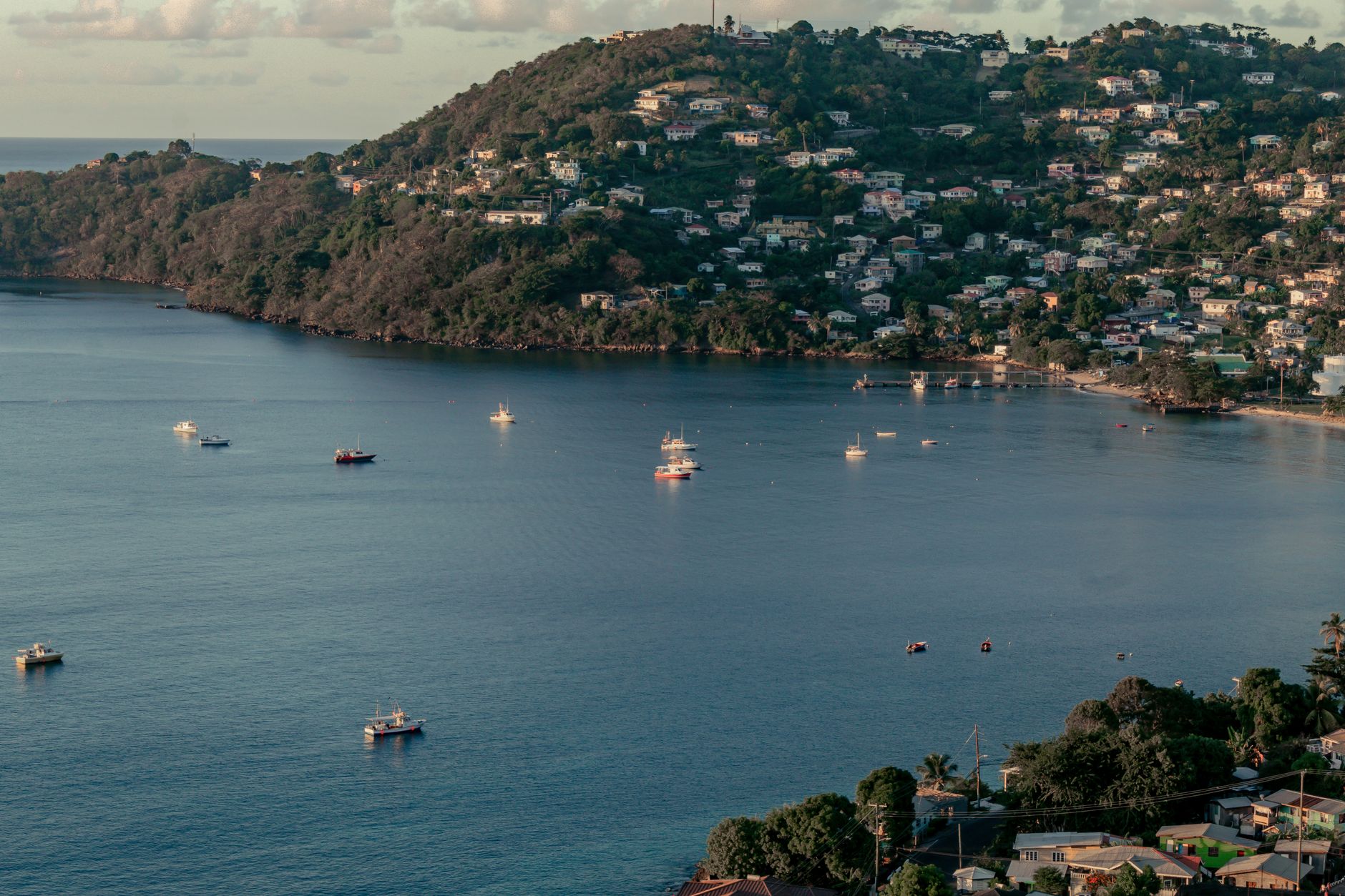
St. George's, the capital city, charms visitors with colorful colonial architecture. The harbor views are spectacular from anywhere in the town center. Local markets burst with fresh fruits, vegetables, and handmade crafts. food-dining">Dining in St. George's provides authentic Grenadian cuisine at reasonable prices. The city balances modern amenities with historic character.
PRO TIP: Visit Grenada during the dry season from December through May for the best weather and guaranteed beach days. The shoulder months of April and May offer fewer tourists and slightly lower prices while maintaining beautiful weather.
Grenada for Families
Best forfamilies with childrenmulti-generational groups
Grenada welcomes families seeking safe, accessible Caribbean vacations. The island's calm culture appeals to parents and children alike. No visa requirements simplify travel planning for family groups from most countries.
Grand Anse Beach remains the top family destination on Grenada. The gentle slope into the water makes it perfect for young swimmers. Lifeguards patrol the beach during peak hours. Shade trees and beach facilities are available throughout the day. Families can rent umbrellas and loungers for comfortable beach days.
Beach Resort Island offers family-friendly water activities. Snorkeling from the beach requires no boat and works for children of various swimming levels. The reef sits close to shore in shallow, clear water. Kids enjoy spotting colorful fish without extensive training or equipment.
Concord Waterfall hike appeals to families with older children. The trail takes about 45 minutes round trip. The destination is a natural pool perfect for swimming and cooling off. Kids enjoy the adventure of walking through rainforest to reach the waterfall. Bring water and wear sturdy shoes for the muddy sections of the trail.
Grenada Chocolate Company offers interactive tours for families. Children learn how chocolate is made from cacao beans grown on the island. The hands-on experience includes roasting, grinding, and tasting chocolate. Kids can purchase chocolate products and souvenirs. Tours run daily except Sundays and accommodate groups.
Restaurants throughout Grenada serve child-friendly meals. Local fruits like mangoes and papayas appeal to kids. Rice and stewed proteins feature in most dishes. Ice cream shops and juice bars are common in town areas. Many restaurants offer high chairs and can accommodate dietary needs if asked in advance.
Grenada for Couples

Best forromantic getawayshoneymoon couplesanniversary celebrations
Grenada offers romantic settings for couples seeking Caribbean connection. Sunset watching becomes a cherished ritual on any Grenada beach. The island's quiet character allows couples to escape everyday stress. English-speaking locals help navigate the island easily without language barriers.
Morne Rouge Beach provides intimate moments in a picturesque setting. The beach is less crowded than Grand Anse, offering more privacy. Turquoise waters reflect tropical skies at sunset. Couples enjoy long walks along the shoreline at dusk. Small beach bars serve cold drinks perfect for sunset cocktails.
Dining experiences on Grenada cater to romantic occasions. Local restaurants offer fresh seafood caught daily by local fishermen. Grilled fish with local herbs and spices delights the palate. Restaurant patios often overlook the water. Many establishments offer candlelit dinner options with advance notice.
Scuba diving together creates unforgettable shared experiences. Couples can explore underwater gardens side by side. Marine encounters including sea turtles add magical moments. Multiple dive operators offer couple-friendly dive schedules. Even beginner divers can join guided dives at shallow, scenic reef sites.
Spa treatments provide relaxation and pampering for couples. Local spas offer massage, body treatments, and wellness services. Couples massage options let you relax together. Traditional Caribbean healing practices blend with modern spa amenities. Many accommodations include spa services on property.
Hiking Mount Qua Qua together rewards couples with forest views. The trail suits moderate fitness levels. Rainforest sounds and bird calls create natural ambiance. The mountaintop emerges above the clouds in some seasons. Couples capture memorable photos and share the achievement together.
PRO TIP: Book couples activities in advance, especially during peak season. Dive shops, spa services, and restaurant reservations fill quickly. Your accommodation can help arrange special setups like beach picnics or private tours for romantic occasions.
Grenada for Solo Travelers
Best forindependent travelersbudget-conscious visitorsadventure seekers
Solo travelers find Grenada safe, welcoming, and easy to navigate independently. The English-speaking population helps solo visitors feel at home. The island's compact size means you reach most destinations easily by car rental or taxi.
Budget accommodations abound throughout Grenada. Guesthouses and hostels offer affordable places to sleep. Homestays connect you with local families and provide cultural immersion. These options cost significantly less than resort hotels. Solo travelers stretch their budgets further than on pricier Caribbean islands.
Food costs remain reasonable for independent travelers. Local restaurants serve authentic meals at fair prices. Street food vendors sell rotis, wraps, and fried items for just a few dollars. Fresh fruit from markets provides cheap, healthy snacks. Cook in guesthouse kitchens to save money on meals.
Group activities connect solo travelers with other visitors. Dive shops organize daily dives with mixed groups. Hiking tours include solo travelers with families and couples. Cooking classes bring people together around Grenadian cuisine. These activities create friendships while adding to your experience.
St. George's provides walkable exploration for solo travelers. The compact downtown connects easily on foot. Markets and shops are concentrated in the central area. Cafes and bars offer safe spots to rest between activities. Solo dining is accepted in casual restaurants throughout the city.
Ferry service to Carriacou and Petite Martinique lets solo travelers extend their adventure. The ferry journey takes about 90 minutes. These smaller islands offer quieter experiences and unique cultures. Solo travelers report feeling safe and welcomed on the sister islands. Return ferries run daily with flexible scheduling.
Best Time To Visit Grenada
The dry season from December through May represents the best time to visit Grenada. These months guarantee the most sunshine and least rainfall. Temperatures average 27.5 degrees Celsius year-round. Humidity remains moderate during the dry season. Beach days are virtually guaranteed during these months.
December through February marks peak tourist season. Visitors escape northern winters for Caribbean warmth. Hotels fill quickly during these months. Prices reach their highest levels. However, you will encounter more travelers and busier attractions.
March through May offers an excellent alternative to peak season. Fewer tourists visit during these shoulder months. Prices drop compared to winter months. Weather remains beautiful with sunny days and calm seas. This period suits budget travelers and those avoiding crowds.
The hurricane season runs from June through November. Tropical storms and hurricanes are possible during these months. Rainfall increases significantly in September and October. Many tourists avoid Grenada during this period. Hurricane insurance becomes important if you travel during these months.
April and May offer the best balance of good weather and fewer tourists. Schools in many countries take spring breaks during April. Hotels offer discounts to attract visitors during the shoulder season. You will find room availability and shorter waits at attractions. The weather remains reliable with minimal rainfall.
Geography and Location of Grenada
Grenada sits in the Lesser Antilles island chain in the southern Caribbean Sea. The coordinates 12.1165°N, 61.679°W pinpoint the island's location precisely. Looking at a Grenada map, you will see it lies between Dominica to the north and Trinidad and Tobago to the south.
The island spans just 349 square kilometers, making it one of the smaller Caribbean nations. A Grenada map shows the main island surrounded by Caribbean waters. The capital, St. George's, sits on the western coast. A Grenada map reveals the island's mountainous interior covered in vegetation.
Carriacou lies to the north of Grenada, about 40 kilometers away. This smaller island is part of Grenada's territory. Petite Martinique sits even further north. These three islands constitute the nation of Grenada. A detailed Grenada map shows how these islands relate geographically.
The island's position in the Caribbean means it experiences tropical weather year-round. Trade winds blow from the northeast, cooling the islands. The surrounding waters remain warm for swimming, snorkeling, and diving throughout the year. Grenada's map position south of the typical hurricane belt offers some protection from major storms.
Getting To Grenada

Maurice Bishop International Airport welcomes most international travelers to Grenada. The airport code is GND. Direct flights arrive from North America, Europe, and other Caribbean islands. Regional carriers connect Grenada to neighboring islands.
Travel times vary based on your departure city. Flights from the United States take four to six hours depending on connections. European flights may require one or two stops. Flights from other Caribbean islands often take one to two hours. Most travelers arrive by air rather than sea.
The airport sits about eight kilometers south of St. George's. Taxi service from the airport costs about 35 to 50 XCD for the drive to the capital. Shuttle services accommodate multiple passengers at lower per-person rates. Car rental agencies operate at the airport for independent exploration.
Visa requirements are minimal for most visitors. Most nationalities receive visa-free entry for tourism stays. Common tourist stay limits range from 30 to 90 days. Check with your country's Grenada embassy before travel to confirm your specific requirements. No vaccination requirements currently exist for entry.
Travel insurance is recommended but not required. Medical facilities exist on Grenada but are limited compared to developed countries. Travel insurance covers medical emergencies and trip cancellations. Coverage for activities like scuba diving provides extra security.
Frequently Asked Questions
Where Exactly Is Grenada Located?
Grenada is located in the Lesser Antilles chain in the southern Caribbean Sea at coordinates 12.1165°N, 61.679°W. The island sits approximately 160 kilometers north of Trinidad and Tobago and south of Dominica. Grenada comprises three islands: the main island of Grenada, Carriacou, and Petite Martinique. All three islands together form the nation of Grenada. The country covers 349 square kilometers and has a population of approximately 126,000 people. The capital city is St. George's, located on the western coast of the main island.
Do I Need a Visa To Visit Grenada?
Most visitors do not need a visa to enter Grenada for tourism purposes. Citizens of many countries receive visa-free entry upon arrival. Typical stay limits range from 30 to 90 days depending on your nationality. However, visa requirements vary by country, so check with your country's Grenada embassy or consulate before traveling. You will need a valid passport that remains valid for the duration of your stay. Some visitors may require a return ticket and proof of accommodation, though these are not always verified.
What Is the Best Time To Visit Grenada?
The best time to visit Grenada is during the dry season from December through May. These months offer the most sunshine and least rainfall. The peak tourist season is December through February when northern travelers escape winter. March through May offers slightly fewer tourists while maintaining excellent weather. April and May specifically provide a good balance of pleasant weather and lower prices. The hurricane season runs from June through November with increased rainfall and storm risk. However, many accommodations and restaurants remain open year-round if you choose to visit during the off-season.
What Currency Does Grenada Use?
Grenada uses the East Caribbean dollar as its official currency with the symbol XCD. The exchange rate is fixed at approximately 2.70 XCD to 1 USD. You can exchange currency at banks in St. George's and at the airport. ATMs are available throughout the island for withdrawing local currency. Credit cards are accepted at hotels, restaurants, and shops in tourist areas. However, small local establishments and markets may accept only cash. It is advisable to carry some local currency for small purchases and tips at local restaurants.
Is Grenada Safe for Tourists?
Grenada is generally considered safe for tourists compared to other Caribbean destinations. Violent crime against visitors is rare. Standard travel precautions apply: avoid displaying expensive items, stay aware of surroundings, and use registered taxis. St. George's and tourist areas maintain good safety records. Police presence is visible throughout tourist zones. Solo travelers, families, and couples all visit Grenada safely each year. Exercise normal precautions as you would in any destination. Local residents are known for being welcoming and helpful to visitors.
Related Pages on Grenada
Islands Near Grenada